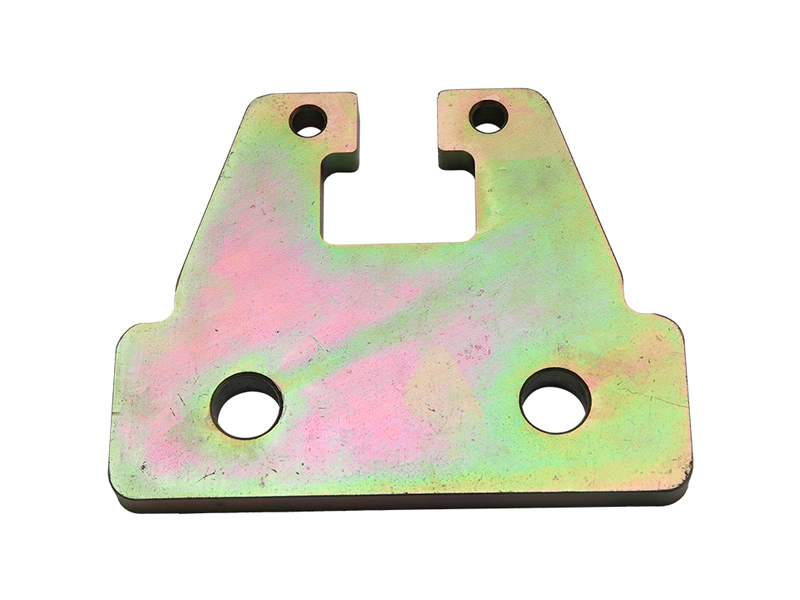
**Advancements and Market Growth in Automotive Air Conditioning Parts Industry**In recent years, the automotive air conditioning parts industry has witnessed significant growth, driven by increasing consumer demand for enhanced comfort, technological advancements, and stricter environmental regulations. As global temperatures rise and the preference for climate-controlled vehicle interiors becomes more prevalent, the market for automotive air conditioning components is expanding rapidly. This article explores the latest trends, key factors propelling industry growth, and the strategic initiatives taken by leading manufacturers to meet evolving market needs.The automotive air conditioning system is a complex assembly comprising various components such as compressors, condensers, evaporators, expansion valves, and receiver driers. Each part plays a crucial role in ensuring optimal cooling performance and energy efficiency. Recent innovations have focused on improving the durability, refrigerant compatibility, and energy consumption of these parts. For instance, the adoption of eco-friendly refrigerants like R-1234yf and enhanced compressor designs have significantly reduced the environmental footprint of automotive AC systems.One of the primary drivers for the expansion of the automotive air conditioning parts market is the increasing production of passenger and commercial vehicles worldwide. As automotive production scales up in emerging economies, the demand for reliable and efficient air conditioning components correspondingly rises. Moreover, in developed markets, consumers exhibit a strong preference for vehicles equipped with advanced climate control features, further stimulating the need for sophisticated AC parts.Technological advancements have also played a pivotal role in reshaping the industry landscape. Integration of smart sensors, electronic expansion valves, and variable displacement compressors has enabled higher precision in temperature regulation and improved overall system efficiency. These developments not only enhance passenger comfort but also contribute to fuel efficiency and reduced emissions, aligning with global sustainability targets.Manufacturers in the automotive air conditioning parts segment are actively investing in research and development to innovate and diversify their product portfolios. Collaborations between OEMs and aftermarket suppliers have become increasingly common, facilitating faster adoption of cutting-edge technologies. Additionally, the trend toward electric vehicles (EVs) has opened new avenues for AC component development, with a focus on components optimized for battery-powered systems and heat management.From a regional perspective, Asia-Pacific remains the dominant market for automotive air conditioning parts, driven by rapid urbanization, rising disposable incomes, and expanding automotive production facilities. Countries like China and India are witnessing increased demand for passenger cars with sophisticated climate control systems, which in turn fuels the requirement for high-quality AC components. North America and Europe also continue to demonstrate steady market growth, bolstered by stringent automotive emission standards and consumer emphasis on comfort and safety.Environmental considerations have further influenced the industry’s evolution, with regulatory bodies imposing strict norms on refrigerant types and air conditioning efficiency. Compliance with regulations such as the Kyoto Protocol and the Montreal Protocol has led manufacturers to phase out older, high-GWP (global warming potential) refrigerants and embrace greener alternatives. This regulatory pressure not only drives innovation but also fosters industry-wide commitment toward sustainable automotive climate control solutions.In response to these dynamic market conditions, companies manufacturing automotive air conditioning parts are enhancing their operational capabilities and expanding their global footprint. Strategic acquisitions, facility upgrades, and adoption of Industry 4.0 technologies are among the initiatives taken to improve production efficiency and product quality. Additionally, strengthening supply chain resilience and investing in customer-centric solutions are priorities as manufacturers navigate fluctuating raw material costs and geopolitical uncertainties.Customer demand for customized and value-added services is prompting manufacturers to offer tailored product solutions and technical support. Service-focused business models, including comprehensive after-sales support and training programs, are proving instrumental in building long-term relationships with automotive OEMs and aftermarket distributors. Moreover, digital platforms are enabling more efficient customer engagement, inventory management, and predictive maintenance solutions, thereby enhancing the overall customer experience.Looking ahead, the automotive air conditioning parts industry is poised for continued growth, fueled by ongoing technological innovation and expanding vehicle production volumes. The shift toward electric and autonomous vehicles presents both challenges and opportunities, demanding the development of specialized AC components that integrate seamlessly with advanced vehicle architectures. Sustainability will remain a cornerstone of industry strategy, with manufacturers striving to balance performance, cost, and environmental impact.In conclusion, the automotive air conditioning parts market is undergoing transformative changes driven by consumer expectations, regulatory frameworks, and technological progress. Industry participants who embrace innovation, sustainability, and customer-centric approaches are well positioned to capitalize on emerging trends and sustain competitive advantage in this dynamic sector. As the automotive landscape evolves, air conditioning components will continue to play a vital role in enhancing passenger comfort, vehicle efficiency, and environmental stewardship.
Read More